
Small Business Accessibility:
Make Your West Virginia Small Business Welcoming for Every Customer
By: Ed Carter
May 2026
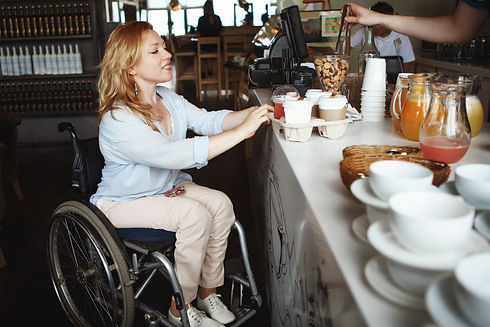
West Virginia small business owners and the customers with disabilities they serve often run into the same frustrating gap: a shop can be friendly in intent yet still feel hard to use in practice. Accessibility challenges show up in everyday moments, getting through the door, reading a menu, hearing a question, or finding a clear way to ask for help, and those friction points quietly send people elsewhere. Add uncertainty about legal expectations and what “inclusive customer service” really looks like, and many businesses stay stuck between wanting to do right and not knowing where to start.
The payoff is simple: a place more people can choose with confidence.
Quick Accessibility Takeaways
-
Start by identifying your biggest accessibility barriers and prioritize fixes that improve day to day customer access.
-
Improve physical access by checking entrances, paths, seating, and restrooms for practical usability.
-
Strengthen communication access by offering clear information and flexible ways to ask for help.
-
Build inclusion into service by training staff to respond respectfully and consistently to disability needs.
Understanding Accessibility and Your Rights
It helps to name the goal first. Accessibility means removing barriers so people with different bodies, senses, and minds can use your space, services, and website with dignity. Disability rights law sets a baseline for equal access, while everyday inclusion is how that baseline shows up in real customer moments.
This matters because people with disabilities are not a tiny group. 16% of the global population live with a disability, and many need clear options and respectful support to shop confidently. When customers can self-advocate without conflict, businesses reduce risk and build lasting trust.
Picture a customer asking for a quieter spot, help reading a form, or an easier way to order online. Following WCAG 2.0 for assessing web accessibility and practicing calm, flexible service turns a legal “must” into a welcoming “we can.” With the principles clear, you can pick upgrades that fit your space, budget, and customers.
Make It Easier to Enter, Ask, and Buy: A Practical Checklist
Small changes can remove big barriers. Think like a financial plan: pick a few high-impact fixes now, budget for the next round, and keep improving as customers tell you what they need.
-
Clear the path from parking to checkout: Walk your customer route with fresh eyes, parking/curb, doorway, aisles, restroom, counter, and fix the simplest barriers first. Add a portable ramp if you have a single step, keep entry mats flat, and create at least one wider “main aisle” by moving a display table. Put the most-used items and a payment option within reach from a seated position.
-
Make your entrance and counter easy to use: If your door is heavy, add a doorbell or call button so someone can help quickly, and keep the threshold clear of clutter or temporary signs. At the counter, designate a lower, clear space for signing and paying, even if it’s just one section kept empty. Good lighting and reduced background noise near the register help customers who lip-read or process speech more slowly.
-
Use “plain language” communication in three steps: Greet the customer, offer help once, then wait, “Hi, let me know how I can help” beats hovering or speaking for a companion. When explaining options, give two or three choices at a time and confirm with a simple check-back: “Just to be sure I explained it clearly, do you want option A or B?” Keep a small notepad available for writing, drawing, or exchanging short messages when speech is hard to understand.
-
Offer reasonable accommodations with a simple, consistent process: Decide ahead of time what you can usually do, read a menu aloud, bring items to the door, allow extra time at checkout, fill out a short form together, or offer a quieter spot to talk. Train staff to respond with “Yes, we can try that” instead of debating whether it’s “required.” The U.S. Department of Labor notes many accommodations for people with disabilities can be implemented at no cost to employers, which can help you prioritize solutions that fit tight budgets.
-
Use low-cost assistive tech that helps everyone: Add large-print versions of key documents, price lists, and instructions, and put a QR code nearby that links to a screen-reader-friendly page. Offer multiple ways to communicate, phone, email, and text-based options, so customers can choose what works. If you take appointments, consider online scheduling with a notes field for accommodation requests.
When you combine physical access, clear communication, and a reliable accommodation routine, you reduce frustration on both sides, and you’ll be ready if a customer raises a concern, asks for documentation, or needs support navigating their rights.
Accessibility Questions, Answered
Q: What are some simple ways to make my small store more accessible and welcoming to people with disabilities?
A: Start with the basics customers notice first: clear, stable walkways, easier door access, and uncluttered aisles. Add a simple “need help?” bell, provide a seat for waiting, and keep a notepad for written communication. Then ask, “What would make this easier today?” and follow through.
Q: How can I reduce the stress and overwhelm of updating my store's accessibility features?
A: Treat it like a budget plan: pick one low-cost fix this week, one policy update this month, and one bigger upgrade to price out for later. Keep a short log of barriers you observe and customer requests so decisions feel grounded, not emotional. Celebrate progress, not perfection.
Q: What are effective communication tips to ensure every customer feels included and comfortable?
A: Speak to the customer directly, use plain language, and offer choices one at a time. Ask before assisting and confirm understanding with a quick “Did I get that right?” If language differences add friction, an optional audio-translation helper like Adobe Firefly's AI audio translation tool can reduce miscommunication.
Q: How do I prioritize changes when feeling stuck about where to begin improving accessibility?
A: Start where a barrier stops a purchase: entry, checkout, and restrooms. Document what’s blocking access, then choose changes that improve safety and independence for the most people. When a customer requests a reasonable accommodation, respond with solutions you can try quickly.
Q: What legal support options exist if I face challenges managing accessibility requirements for my small business?
A: Keep written notes and photos of barriers, the steps you took, and any accommodation requests so you have a clear record. For guidance, reach out to West Virginia disability advocacy organizations or legal aid resources for practical direction, especially when questions involve the Americans with Disabilities Act. Early support can help you problem-solve before conflicts escalate.
Turning Accessibility Into Repeat Customers in West Virginia
Running a small business is hard enough without customers wondering whether they’ll be heard, helped, or able to get through the door. The steady path is treating accessibility as a practical mindset, notice barriers, respond with reasonable accommodations, and keep an advocacy lens with community engagement for businesses. When that becomes the norm, the benefits of accessible business show up quickly: clearer communication, fewer misunderstandings, and customer loyalty through inclusion that brings people back and brings friends. Accessibility isn’t extra, it’s how trust becomes loyalty. Choose your next two actions and put them on the calendar this week. That ongoing effort builds stability, resilience, and a stronger sense of connection across your West Virginia community.